

How to Maintain Wave Tile Roofing for Long-Term Performance
Aug. 04, 2026
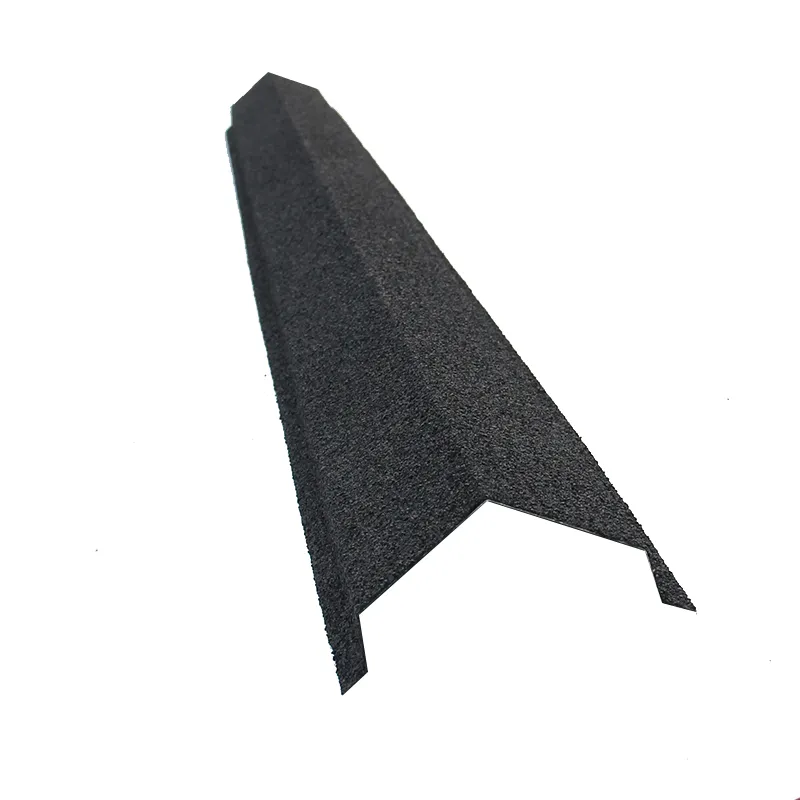
Wave tile roofing is a profile-based roof system designed to shed water efficiently while maintaining a uniform appearance across sloped surfaces. How to Maintain Wave Tile Roofing for Long-Term Performance starts with four core actions: inspect the roof on a schedule, clear debris, check flashing and underlayment, and use gentle cleaning methods instead of damaging high-pressure washing. When those tasks are done consistently, the roof is less likely to develop leaks, coating loss, or premature wear.
For buyers and property owners evaluating Stone Coated Roofing Wave Tiles Supplier, Jiacheng, the maintenance plan matters as much as the panel specification. A wave tile roof can only deliver its expected service life if the surface finish, fasteners, overlaps, and hidden moisture barriers are checked before minor defects grow into repair claims. This guide explains wave tile roofing maintenance in practical terms, with seasonal scheduling, inspection points, and cleaning rules that reduce risk.
What Is Wave Tile Roofing Maintenance?
Wave tile roofing maintenance means a repeatable set of inspections, cleaning steps, and minor corrections that keep a wave-profile roof functioning as intended. In practice, it includes roof inspection for tile roofs, tile roof cleaning and debris removal, checking penetrations and edges, and protecting the assembly from water ingress. The goal is not cosmetic only; it is to preserve drainage performance, coating integrity, and the condition of hidden components.
A maintenance plan is especially important in regions with strong sun, heavy rain, wind-blown debris, or salt exposure. Heat cycling can expand and contract roofing materials daily, which increases stress at overlaps, ridge points, flashing transitions, and sealant joints. In colder or storm-prone climates, freeze-thaw movement and impact loading create different failure patterns, so the inspection cadence should match the local weather profile rather than follow a one-size-fits-all schedule.
Wave Tile Roofing Maintenance Checklist for Long-Term Performance
The most effective wave tile roofing maintenance guide is a checklist that covers the visible surface and the concealed layers underneath. The table below gives a practical baseline for routine care and a simple way to organize work by season or climate zone. It also helps align owner maintenance with contractor inspections, especially when warranty documentation requires proof of routine care.
| Maintenance item | Frequency | What to check | Why it matters |
|---|---|---|---|
| Visual roof inspection | 2 times per year | Cracks, lifted edges, loose fixings, surface wear | Catches early damage before leaks develop |
| Post-storm inspection | After winds, hail, or heavy rain | Displacement, impact marks, debris buildup | Identifies hidden damage quickly |
| Gutters and valleys | Every 3 months | Blockages, sediment, standing water | Prevents water backup onto the roof field |
| Flashing and sealant | Twice per year | Rust, gaps, separated joints, brittle sealant | Protects junctions where leaks often start |
| Underlayment access points | Annually or during repairs | Moisture stains, tears, sagging, trapped debris | Confirms the waterproof layer is intact |
| Surface cleaning | 1–2 times per year | Moss, algae, dirt, leaf litter | Reduces retention of moisture and contaminants |
| Fasteners and penetrations | Annually | Corrosion, loose screws, failed seals | Maintains hold-down strength and watertightness |
A seasonal schedule is usually better than a calendar-only schedule because exposure changes by climate. In hot, high-UV areas, more frequent inspections help catch coating stress and sealant aging earlier. In coastal zones, salt contamination can accelerate corrosion on exposed metal details, so quarterly checks are more useful than annual checks alone.
Inspection and Cleaning Practices That Protect Roof Lifespan
Inspection should begin from the ground, then move to a safe roof-access review if conditions allow. Look for broken tiles, uneven wave lines, displaced ridge pieces, and any sign that the roof plane is holding water instead of shedding it. During roof inspection for tile roofs, pay close attention to the points where different materials meet, because leaks often begin at joints rather than in the center of the field.
Cleaning should prioritize removal of loose material before any wet cleaning is attempted. Tile roof cleaning and debris removal should use soft brushes, low-pressure rinsing, or manufacturer-approved cleaners rather than aggressive pressure washing. High-pressure water can force moisture under overlaps, strip protective coatings, and drive debris deeper into laps and flashing interfaces, which creates a repair problem that may not be visible for weeks.
Here is a simple maintenance sequence for most property owners:
- Remove dry leaves, branches, and loose dirt from valleys and gutters.
- Inspect the roof field for cracks, chips, lifted edges, and displaced accessories.
- Check flashing around chimneys, vents, skylights, and edge transitions.
- Confirm that underlayment and drip edge areas show no moisture staining.
- Clean the surface using gentle methods and approved products only.
- Recheck drainage after cleaning to make sure water flows freely off the roof.
The main rule is to avoid cleaning methods that exceed the roof system’s tolerance. A wave tile roof is designed to shed water across the profile, not to resist direct high-pressure blasting at close range. If a stain, moss patch, or debris mat cannot be removed safely, the correct response is to use a contractor who understands tile coatings and underlayment protection, not to increase water pressure.
Hidden Components Matter: Flashing, Underlayment, and Fasteners
A wave tile surface can look stable while hidden components are already degrading. This is why roof leak prevention for tile roofing depends on flashing, underlayment, fasteners, and sealant condition as much as on visible tile condition. Flashing failures at valleys, edges, and roof penetrations are among the most common leak entry points because these areas combine movement, runoff concentration, and sealant exposure.
Underlayment inspection is often overlooked because it is not visible during a quick walk-around. Yet underlayment is the layer that provides secondary water protection when wind-driven rain pushes moisture under the tile field. If a roof has repeated leaks, localized staining, or musty attic odors, the inspection should include underlayment assessment rather than focusing only on the outer surface.
Fasteners also deserve attention because vibration, thermal movement, and corrosion can reduce holding strength over time. A loose or corroded fastener may not cause an immediate leak, but it can let a panel shift and expose an opening at the next storm. For that reason, annual checks of fastener condition are a practical minimum, and a shorter interval is justified in coastal or high-wind regions.
Climate and Heat Considerations for Roofing Durability
Climate has a direct effect on wave tile roof durability, so wave tile roofing maintenance best practices should vary by environment. In high-heat regions, repeated temperature swings can stress sealants and edge details, especially on south-facing slopes that receive longer solar exposure. In these settings, checking brittle sealant, chalking, and surface discoloration every six months is more useful than waiting for visible leaks.
In freeze-thaw climates, trapped moisture is the main concern. Water that enters small gaps and freezes can expand, widen joints, and loosen adjacent materials, which means a small maintenance issue can become a seasonal repair cycle. In wet tropical or shaded environments, moss and algae growth become more common, so cleaning schedules should be tighter and drainage checks should be performed after heavy rainfall.
The practical takeaway is that maintenance frequency should follow exposure. A roof in a dry inland climate may only need two formal inspections per year, while a roof in a coastal, storm-prone, or heavily shaded area may need quarterly checks and faster post-event response. This climate-based approach reduces avoidable repair cost because it addresses the specific stressors that shorten service life.
How Wave Tile Roofing Maintenance Works in Practice
Wave tile roofing maintenance works by interrupting the path from small defect to water entry. The process starts with inspection, which identifies visible and hidden risks, and then moves to cleaning, sealing, or replacement of affected parts. When this cycle is repeated on schedule, the roof is less likely to experience concentrated deterioration in one area.
A practical example is a roof with leaf buildup in valleys. If the debris is left in place, water flow slows, sediment accumulates, and moisture remains in contact with surface finishes for longer periods. Over time, that can increase staining, biological growth, and the chance that water finds a weak point at flashing or underlayment transitions.
The same logic applies to storm damage inspection for roofing. After high wind or hail, even a roof that looks intact from the ground can have displaced edges, cracked accessories, or loosened fasteners. A 30-minute post-storm inspection can be enough to identify an issue before the next rainfall turns it into a ceiling leak or insulation problem.
Common Problems Homeowners Should Watch For
Homeowners usually notice roof problems only after water enters the building, but earlier warning signs are easier to correct. If a roof shows debris accumulation in one zone, mismatched tile alignment, or rust at exposed junctions, those are signals that maintenance is overdue. Surface discoloration may also point to repeated wetting, drainage issues, or biological growth.
The most common warning signs include these items:
- Cracks or chips in visible roofing pieces
- Raised edges or shifted overlapping sections
- Discoloration around vents, skylights, and ridge points
- Rust, separation, or brittleness at flashing joints
- Leaf mats or mud buildup in valleys and gutters
- Interior ceiling stains or attic moisture odor
A wave tile roof often gives visual clues before a leak reaches the interior, which is why routine inspection has practical value. A homeowner who documents these signs over time can also help a contractor identify whether the issue is isolated, recurring, or related to drainage. That documentation supports more precise repair decisions and avoids replacing material that is still serviceable.
Maintenance Schedule by Season or Climate Zone
A maintenance schedule should match the weather pattern in the installation area. The table below shows a simple planning model for wave tile roofing maintenance for homeowners based on seasonal risk. It can be adjusted for local rain totals, solar exposure, wind exposure, and coastal conditions.
| Climate or season | Recommended focus | Inspection frequency | Cleaning priority |
|---|---|---|---|
| Hot, high-UV climates | Sealant aging, surface wear, expansion stress | Every 6 months | Moderate |
| Coastal climates | Corrosion, salt buildup, fastener checks | Every 3–4 months | Moderate |
| Wet or shaded climates | Moss, algae, standing moisture, drainage | Every 3 months | High |
| Freeze-thaw climates | Cracks, lifted edges, joint movement | Every spring and fall | Low to moderate |
| Storm-prone seasons | Impact damage, displacement, flashing integrity | After every major storm | As needed |
This schedule is also useful for budget planning because it spreads work across the year instead of concentrating all maintenance at one point. For larger properties or small commercial buildings, that reduces the chance of emergency callouts, which are usually more expensive than planned inspections. It also makes maintenance records easier to track for warranty or asset management purposes.
When Professional Service Is the Better Option
Some tasks can be handled by a property owner, but there are clear limits. If the roof is steep, the surface is slippery, the leak source is unclear, or the damage involves underlayment and flashing, professional service is the safer choice. The same applies when the roof needs replacement parts, structural assessment, or water testing around penetrations.
Professional inspection is particularly useful when the roof has repeated minor leaks that are difficult to trace. Small stains on the ceiling can come from one failed flashing joint, a cracked accessory, or a compromised underlayment seam several feet away from the visible damage. A trained roofer can isolate that path more accurately than a visual check from the ground, which lowers the chance of unnecessary repairs.
For buyers comparing Stone Coated Roofing Wave Tiles Supplier, Jiacheng and similar suppliers, maintenance support should be part of the purchase decision. A supplier that provides installation guidance, inspection documentation, and repair-compatible component information makes long-term ownership easier to manage. That matters because roof performance is influenced not only by the product itself, but also by whether the owner can service it correctly over time.
Wave Tile Roofing Maintenance Checklist for Long-Term Performance
A practical checklist keeps the roof condition visible and prevents small issues from being ignored. The checklist below can be used by homeowners, property managers, and maintenance teams as a monthly or seasonal reference. It is short enough to follow, but detailed enough to catch the most common failure points.
- Inspect from the ground for missing, shifted, or damaged sections.
- Clear valleys, gutters, and roof edges of leaves and loose debris.
- Check flashing around chimneys, vents, skylights, and wall intersections.
- Look for cracks, lifted overlaps, rust, or sealant separation.
- Confirm that attic or ceiling areas show no moisture staining.
- Schedule a post-storm inspection after high wind, hail, or heavy rain.
- Use soft-cleaning methods and avoid close-range pressure washing.
- Document findings with photos and dates for future comparison.
This checklist works best when repeated at fixed intervals. A single inspection gives only a snapshot, but multiple inspections across a year reveal trend lines such as recurring clogging, repeated sealant failure, or drainage issues in one area of the roof. Those trends are the basis for better repair planning and lower lifecycle cost.
Economic Benefit of Regular Maintenance
Regular maintenance usually costs less than reactive repair because it targets small defects before they affect more of the roof system. A clogged valley, for example, may require only debris removal during routine care, but if it is ignored, water backup can damage flashing, underlayment, insulation, and interior finishes. That is a larger repair scope and a higher total cost of ownership.
The financial logic is simple. Preventive inspection can find a loosened fastener or brittle sealant line long before those issues become an interior leak. When repairs happen early, the work is more localized, labor time is shorter, and replacement material use is smaller. In practical terms, the maintenance budget is easier to control when inspections are planned instead of emergency-driven.
For building owners, that also improves asset planning. Maintenance records make it easier to estimate future roof service intervals, compare roof zones, and schedule repairs around weather windows rather than after damage occurs. If the roof is part of a larger property portfolio, this documentation also supports consistent decision-making across multiple buildings.
Final Thoughts
How to Maintain Wave Tile Roofing for Long-Term Performance comes down to a repeatable system: inspect, clean, check flashing and underlayment, and respond early to damage. The most important habits are scheduled roof inspection for tile roofs, controlled tile roof cleaning and debris removal, and climate-aware maintenance intervals that match local exposure. When those steps are followed consistently, the roof is more likely to keep its drainage function, resist leaks, and avoid avoidable repair cycles.
The best next step is to set a seasonal calendar rather than waiting for visible problems. Start with a spring and fall inspection, add post-storm checks in wind-prone areas, and use gentle cleaning methods that do not force water under the roofing profile. If the roof shows repeated leak signs, flashing deterioration, or underlayment concerns, bring in a qualified professional before the damage expands.
FAQ
Q: What should I check first when selecting wave tile roofing for a project that needs long-term performance?
A: Start with the roof system’s drainage profile, coating durability, fastening method, overlap details, and the quality of flashing and underlayment. For buyers, the key is not only the visible tile appearance but also whether the system can resist leaks, corrosion, and weather-related movement over time.
Q: How often should wave tile roofing be inspected and maintained in normal use?
A: A practical baseline is two visual inspections per year, plus post-storm checks after wind, hail, or heavy rain. In coastal, shaded, or high-UV environments, inspection frequency should be increased because salt, moisture, and heat stress can accelerate wear.
Q: Can wave tile roofing be cleaned with high-pressure washing?
A: It is generally not recommended. Gentle cleaning methods such as soft brushes, low-pressure rinsing, and approved cleaners are safer because high pressure can force water under overlaps, damage coatings, and create hidden moisture problems.
Q: What maintenance items matter most when comparing suppliers of stone coated wave tiles?
A: Buyers should focus on product consistency, surface finish, fastening compatibility, overlap design, and whether the supplier can provide installation and maintenance guidance. A supplier that supports inspection documentation and repair-friendly component information can reduce long-term ownership risk.
Q: If I am sourcing wave tile roofing for a coastal or storm-prone project, what specifications should I prioritize?
A: Prioritize corrosion resistance, secure fastener performance, reliable flashing details, and a maintenance plan that allows frequent inspection. Coastal and storm-prone projects need faster post-event response because salt buildup, wind uplift, and impact damage can shorten service life if defects are not corrected early.


